Rolanda Story: A Handwritten Font for Editorial Design
I was staring at a blank canvas in my design software, the cursor blinking rhythmically against the white space. The project was simple on paper but deceptively complex in execution: redesigning the cover and chapter openers for a digital recipe ebook focused on slow living and seasonal cooking. I needed a typeface that felt warm, approachable, and deeply human, yet structured enough to guide the reader through a culinary journey. After scrolling through endless categories of Fonts, I stumbled upon Rolanda Story. It wasn't just another script; it felt like a discovery.
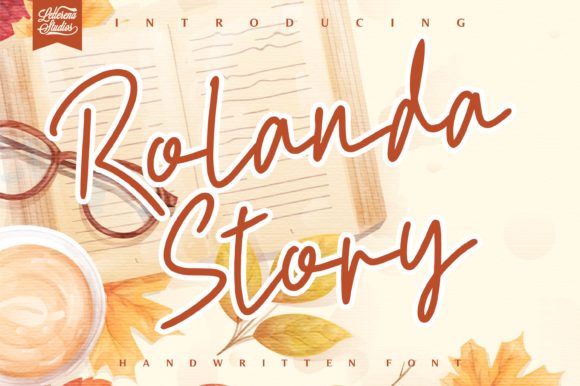
The moment I typed the first headline, "Autumn Harvest," the mood of the entire layout shifted. Rolanda Story is a casual, simple, and relaxed handwritten font that immediately injected a sense of calm into the design. Unlike many display scripts that can feel overly ornate or difficult to decipher, this Script Amp style strikes a delicate balance between artistic flair and legibility. It reminded me of a note passed between friends or a label written by hand on a jar of homemade jam—authentic and inviting.
Finding the Right Voice for Your Brand
In editorial design, the choice of typography is never merely aesthetic; it is functional storytelling. When I began applying Rolanda Story to the blog header mockups for a lifestyle publication, I realized how powerful a well-chosen handwritten font can be in establishing brand identity. The font’s personality is inherently gentle. It does not shout for attention; instead, it whispers an invitation to pause and read. This makes it an exceptional choice for content creators who want their audience to feel seen and understood.
For a wedding guide or a coaching workbook, the visual character of Rolanda Story conveys trust and intimacy. Imagine a printable planner where the section headers are set in this typeface. The soft curves and natural rhythm of the strokes make the daunting task of planning feel manageable and personal. It transforms a rigid grid of dates and tasks into a creative companion. Whether you are designing product packaging for artisanal goods or creating social media graphics for a small business, this creative font helps bridge the gap between digital perfection and human touch.
Visual Hierarchy and Readability
One of the primary concerns when integrating a script into a publication is readability. Can it work for more than just a single word? In my testing with the recipe ebook, I found that Rolanda Story excels as a display font for titles, subtitles, and pull quotes. The letterforms are distinct enough to prevent confusion even at smaller sizes, though they truly shine when given room to breathe in larger headings.
When building visual hierarchy, I paired Rolanda Story with a clean sans serif font for the body copy and captions. This combination creates a harmonious contrast: the playful, organic nature of the script anchors the page, while the geometric stability of the sans serif ensures the instructions remain clear and accessible. For those working with long-form content, such as course PDFs or digital magazines, this pairing strategy is essential. It allows the premium font to act as a decorative accent that guides the eye without overwhelming the reader.
Readability also extends to screen reading and mobile layouts. As designers, we know that users often consume content on small devices. Rolanda Story maintains its clarity on mobile screens, ensuring that your newsletter header or app interface looks polished regardless of the device. The relaxed stroke width prevents the letters from merging together, a common pitfall with many script fonts. This makes it a reliable asset for web design and responsive editorial layouts.
Practical Applications Across Media
The versatility of Rolanda Story becomes apparent when you consider its application across different mediums. I tested it for a series of invitations for a boutique event, and the result was elegant yet unpretentious. The font works beautifully for logo design, adding a signature quality to a brand mark. If you are developing a line of t-shirts or labels, this modern typography offers a unique selling point that stands out in a crowded market.
Consider the following scenarios where Rolanda Story elevates the design:
- Ebook Covers: Use it for the main title to create an immediate emotional connection with potential readers.
- Newsletter Graphics: Apply it to subject lines or welcome banners to increase open rates through personalization.
- Printable Guides: Incorporate it into worksheets and planners to make self-improvement tools feel less clinical.
- Social Media Quotes: Overlay text on images for Instagram or Pinterest to enhance engagement and shareability.
- Product Packaging: Print it directly on boxes or tags to communicate craftsmanship and care.
Each of these applications benefits from the font's ability to convey a specific mood. It is not just about making text look nice; it is about curating an experience. When a reader opens a PDF guide and sees a chapter opener written in Rolanda Story, they subconsciously prepare for a narrative that is thoughtful and curated.
Technical Considerations for Creators
Before committing to any commercial font for client work or digital products, it is crucial to review the technical specifications. Rolanda Story comes equipped with the necessary features to support robust design workflows. Checking the included styles, alternates, and ligatures ensures that you have the flexibility to customize the look for specific design needs. For instance, alternate characters can help break up repetitive patterns in all-caps headlines, adding a layer of sophistication to your editorial design.
Furthermore, verifying multilingual support is vital if your audience spans different regions. While the primary focus is often English, having access to extended character sets allows for broader inclusivity in global publications. Always confirm the file formats provided—typically OpenType (OTF) or TrueType (TTF)—to ensure compatibility with your preferred design software, whether you are using Adobe Creative Cloud, Canva, or other tools.
Licensing is another critical aspect. If you plan to use Rolanda Story for paid newsletters, client publications, or merchandise sales, ensure you have the appropriate commercial license. Using a design asset without proper licensing can lead to legal complications and damage your professional reputation. Most reputable foundries offer clear tiered licensing options that cover everything from personal projects to unlimited commercial use.
Crafting a Cohesive Visual Identity
Ultimately, the goal of incorporating Rolanda Story into your workflow is to build a cohesive visual identity. In the world of independent content brands, consistency is key. By using this handwritten font consistently across your blog headers, email signatures, and social posts, you create a recognizable signature that audiences will come to associate with your voice.
As I finalized the recipe ebook layout, I noticed how the font tied the disparate elements together. The photos, the body text, and the illustrations all felt part of a unified whole because of the guiding presence of the typography. It didn't just sit on the page; it breathed life into it. For bloggers, publishers, and authors looking to refine their craft, selecting the right typeface is one of the most impactful decisions you can make.
Rolanda Story offers a pathway to a calmer, more intentional design process. It invites you to slow down, appreciate the details, and prioritize the reader's experience. Whether you are crafting a wedding guide, launching a new product line, or simply updating your blog, this font provides the perfect blend of simplicity and character. In a digital landscape often cluttered with noise, a relaxed, handwritten touch can be the most powerful tool in your design arsenal.